Fill in your contactinformation to download the whitepaper

Whitepaper consent
Newsletter consent

Build to scale - Part 3: The inevitable conversation: compensation

October 26, 2026 - Antwerp (BE)

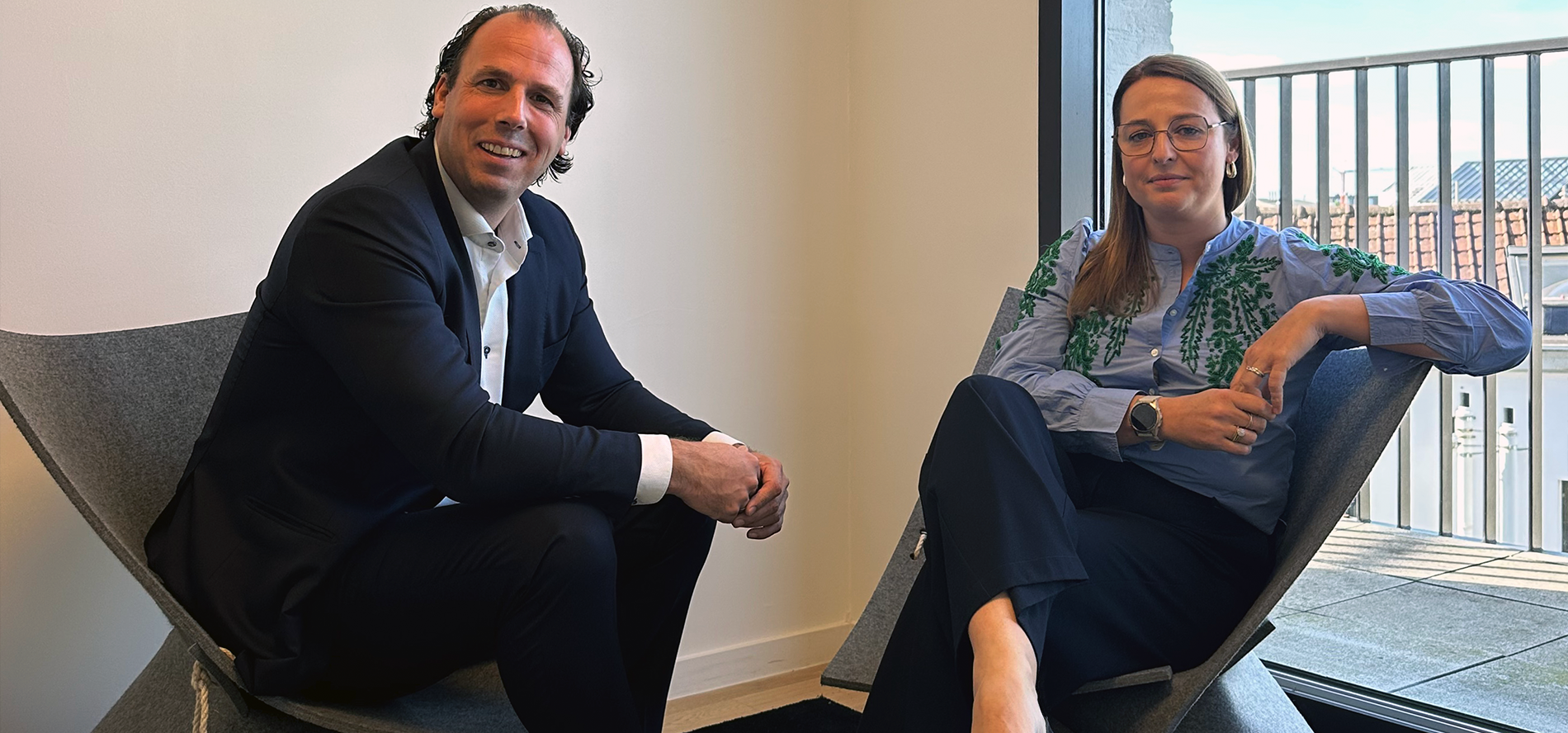
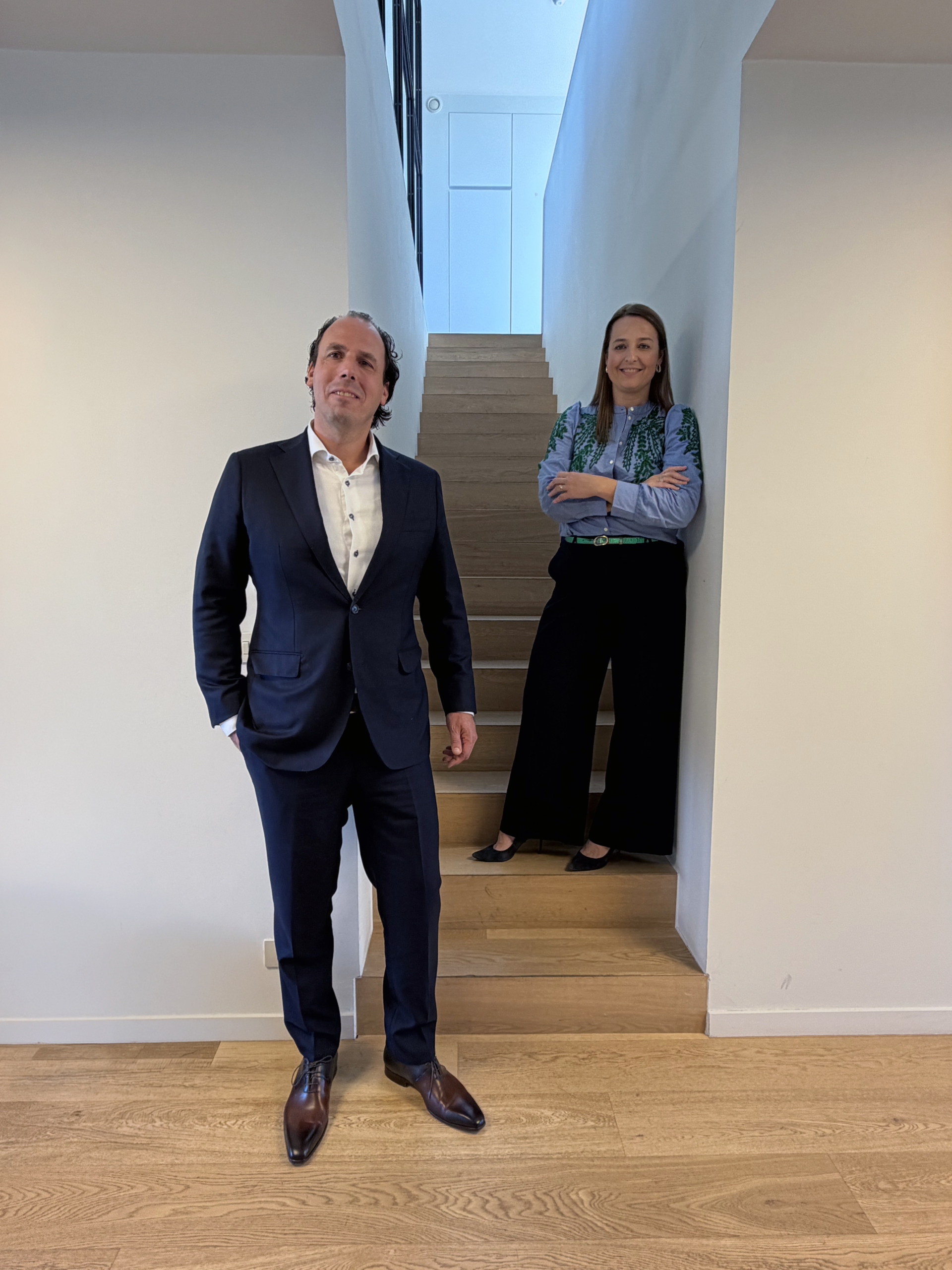
About the series – As a founder, you are the central point of your company’s journey. As your company grows, your role may change; you have a board to report to and new profiles are added to your team. How can you lead this journey and guide your company to growth? That’s a question Katleen Vandersmissen (Managing Partner at HERAN) and Jord Teeuwen (Managing Partner at QTC Recruitment) discuss in this series. Both know what it takes in terms of talent, but bring different views to the table: one brings the investor and director perspective, the other that of the executive search and talent advisory perspective. Different angles, same question: what separates the teams that scale successfully from those that stall?

The inevitable conversation: compensation

On choosing the pay package that makes your company grow

With every senior role you hire, one topic always stands out as rather difficult: compensation. Especially when you’re in a start-up, the senior commercial profile you just hired might earn more than you do. Not because they are worth more, but because their salary is a cost the company will pay in cash, and yours is largely wrapped in shares whose value has not yet been proven. It’s an emotionally difficult truth, but it’s also an inevitable part of scaling. 

Katleen & Jord


The pay gap between founder and hire  

It’s a fundamental part of recruiting a new hire, and yet it’s something you might not like to think about: what makes compensation equitable? 

Katleen: ‘Founders are rewarded and incentivised differently from external hires, who will possibly earn more. This can feel uncomfortable. But every euro can only be spent once, and VC-backed companies are usually still loss-making. Recruiting is buying competencies in a competitive process. To get someone to leave where they are, you have to make a good offer. We try to mix that with variable pay and shares.’

Jord: ‘Remuneration is made up of salary, bonus and equity. That’s a balancing act. Salary is a direct outlay, a bonus is a short-term incentive, and shares are for the long run. There are many possible models: share option schemes (ESOPs) or long-term incentive plans (LTIPs). I look at compensation through two lenses: market value and value creation. What would the market pay for this capability, and what economic value can that person create or protect for the company?’ 

‘It’s not realistic to compare yourself to salaries at companies in much later stages. Sometimes we have to protect people against themselves, so they don’t give everything away too quickly. You also have to protect the company from solving today’s hiring problem only to create tomorrow’s cash problem. There is a middle way: if you pay someone more, but give them less equity, you keep hold of your value through your large shareholding.’

“The person you bring in has to deliver on both risk reduction and acceleration. That is what you pay for.”

Jord Teeuwen
QTC Recruitment

Katleen: ‘We advise not to pay exorbitant fees, as big pharma companies could. What we try to do is make the package attractive through a substantial variable component tied to the company's progress. Even when it’s about compensation, we are thinking in the best interests of the company, about how to make it grow.’

Jord: ‘The person you bring in has to deliver risk reduction and acceleration. That’s what you pay for; that’s what has business value. This also applies to adjusting compensation after a major funding round. Management costs should be proportionate to overall spend – the so-called burn rate. Those are financial metrics you can monitor. If the management team has to lead large, critical studies leading to an exit, that expertise is worth a lot. You don’t pay for equality, you pay for acceleration and risk-reduction.’

Which package to expect depends on the company's stage and scale. What are the differences between start-ups, scale-ups and big companies? 

Jord: ‘In start-ups there’s often less cash payment and more uncertainty. On the other hand, there is a bigger growth potential: you’re selling the dream.' 

Katleen: ‘The candidate this appeals to is usually not the highest-paid person in the sector. It is the person who has already been highly paid and now wants to make an impact. They are willing to give up some salary for a different kind of role. Although the salaries at management level are still very respectable, of course.’

The expertise shapes the package

“You look for people who are searching for impact. Compensation is not their main drive anymore.”

Katleen Vandersmissen
HERAN

Jord: ‘There are significant differences between the salaries of the various roles in the company. What you sell is impact and solutions. For engineers, the attraction is in doing something that has never been done before, without layers of management between them and the founders. With scale-ups, you move towards more predictability and more clearly defined profiles. You start looking at secondary benefits like social security and cars. You work towards greater stability with market-conforming base salaries. You also need to look at a logical pay-scale structure within the company: sometimes you see that the first employees are banded too high compared to those who joined later - which you need to correct at one point.’

Katleen: ‘The remedy is not to relitigate past deals. It is to be transparent about them and to shape new packages so they do not compound the old imbalances. That work is slow. It requires an investor and a recruiter who are both close enough to the company to have this honest conversation and patient enough to run it through several rounds of hiring.’

Key takeaways

You pay for acceleration and risk management, not for equality

The senior hire is not being paid to match the founder. They are being paid to accelerate the company and reduce risk. Frame the discussion around business value, not fairness. 

Do not match every new salary

Matching every incoming salary with a founder pay rise makes the next hires unaffordable. Adjust the package structure instead, so the founder retains value. 

Explore the other articles in the Build to Scale series

Build to scale banner

Build to scale - Part 1: The team you build, builds the company

About the series – As a founder, you are the central point of your company’s journey. As your company grows, your role may change; you have a board to report to and new profiles are added to your team. How can you lead this journey and guide your company to growth? That’s a question Katleen Vandersmissen (Managing Partner at HERAN) and Jord Teeuwen (Managing Partner at QTC Recruitment) discuss in this series. Both know what it takes in terms of talent, but bring different views to the table: one brings the investor and director perspective, the other that of the executive search and talent advisory perspective. Different angles, same question: what separates the teams that scale successfully from those that stall?

Read on
Build to scale banner 2

Build to scale - Part 2: Trust and guidance: the role of your board

About the series – As a founder, you are the central point of your company’s journey. As your company grows, your role may change; you have a board to report to and new profiles are added to your team. How can you lead this journey and guide your company to growth? That’s a question Katleen Vandersmissen (Managing Partner at HERAN) and Jord Teeuwen (Managing Partner at QTC Recruitment) discuss in this series. Both know what it takes in terms of talent, but bring different views to the table: one brings the investor and director perspective, the other that of the executive search and talent advisory perspective. Different angles, same question: what separates the teams that scale successfully from those that stall?

Read on