Fill in your contactinformation to download the whitepaper

Whitepaper consent
Newsletter consent

Build to scale - Part 2: Trust and guidance: the role of your board

October 12, 2026 - Antwerp (BE)

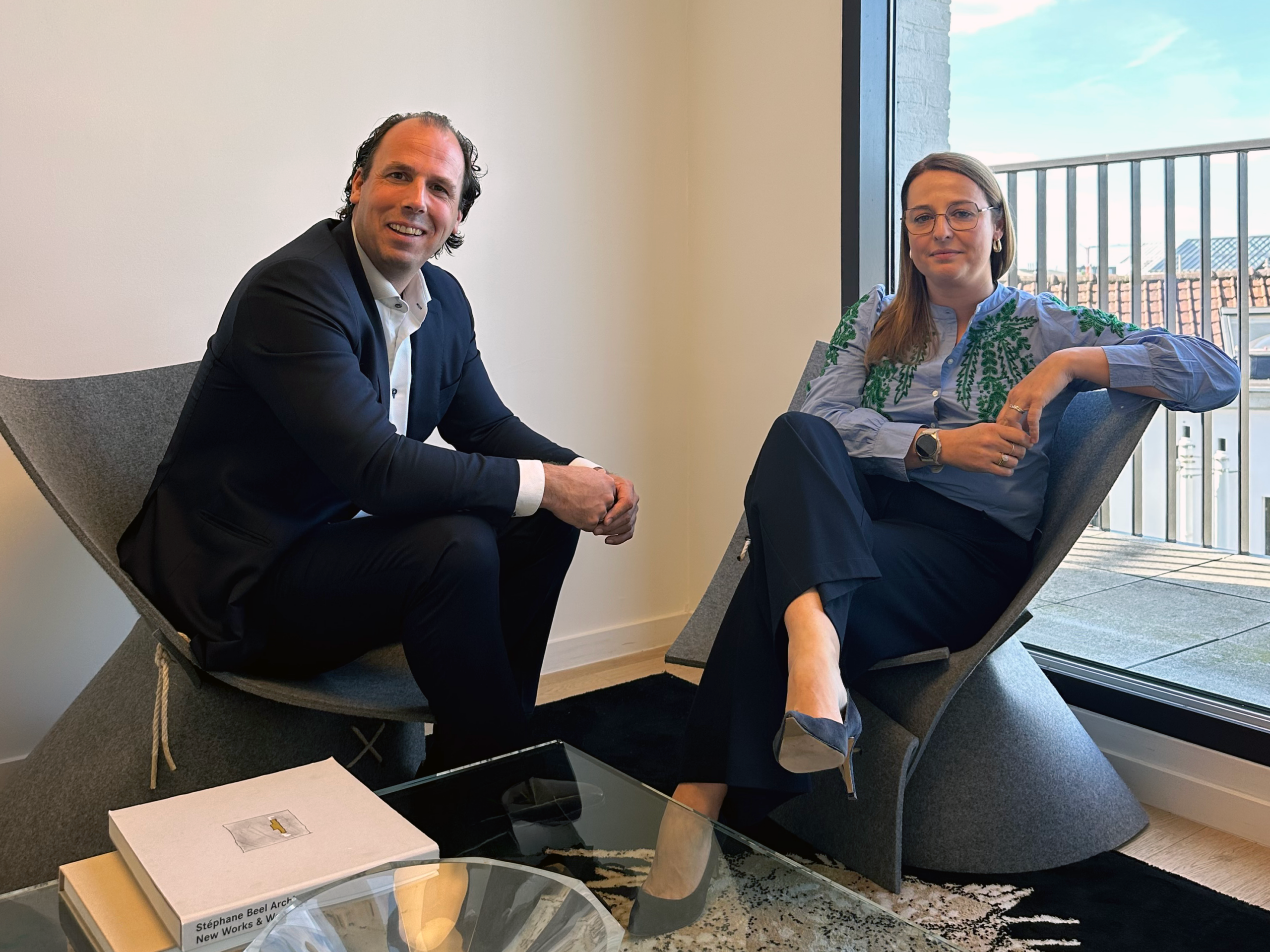
About the series – As a founder, you are the central point of your company’s journey. As your company grows, your role may change; you have a board to report to and new profiles are added to your team. How can you lead this journey and guide your company to growth? That’s a question Katleen Vandersmissen (Managing Partner at HERAN) and Jord Teeuwen (Managing Partner at QTC Recruitment) discuss in this series. Both know what it takes in terms of talent, but bring different views to the table: one brings the investor and director perspective, the other that of the executive search and talent advisory perspective. Different angles, same question: what separates the teams that scale successfully from those that stall?

Katleen & Jord


Trust and guidance: the role of your board

And how your board helps to build your team

In the end, you and your board want the same thing for the company: healthy growth. Seeing the board as a quarterly obligation is a missed opportunity. Members on your board can be a source of knowledge and experience, a sparring partner for new ideas, a welcome aide in hiring new people for your team. It’s in that last part that this article digs deeper: how can the board help build a solid team and take your company to the next stage? 

Two-way communication  

You successfully attracted external capital – you now have a board to report to. In some companies, this board may feel ‘heavy’ on you - especially if it’s packed with experience. Though this might be hard to grasp at the beginning, it is also a big opportunity. The people on your board are trusting you with their money and their time; it’s proof that they believe in your product and your company. They are now part of your team. 

Katleen: ‘As investors, we almost always have a mandate on the board. But beyond that formal part, it is essential to build a relationship of trust with the founder, to be a mentor and sparring partner. After all, if the company is successful, so are we.’

‘The CEO is the liaison between the board and the operational team. This, together with fundraising, is a big part of the job, and it often means something's got to give. For a technical founder who takes on the CEO role, that might mean stepping back from the day-to-day, whether on the operational or technical side. This might be challenging and could cause friction.’


Jord: ‘The role of the chair is crucial here. They are the one to challenge you to take your company further, but also the one to smooth things out in the board when things get challenging. They’ve usually been through it themselves, know what your next steps will be, and will use their network to help your company. Going for the big names might be tempting, but it’s no guarantee of success. You need the name ànd the operational expertise.’

‘If the transition feels hard, you’re actually already too late. There has to be enough communication between you and the board before that. You didn’t start a company to give monthly presentations to the board; you wanted to grow and use the board’s advice on complex problems. That’s why adaptability  – getting used to the new dynamics – is so important. Shift your perception to knowing that your board is here to make your company grow faster. If you don’t, you might land into mutual frustration and not working together. This would really be a missed opportunity.’

Katleen: ‘The board is your partner. Like all partnerships, it works both ways. A fruitful interaction between founders and board members is one where there is trust, meetings are well-prepared, and communication also occurs outside board room meetings.’

“As a board member, we think it is essential to build a relationship of trust with the founder, to be a mentor and sparring partner.”

Katleen Vandersmissen
HERAN
How to assemble a board that fits and suits your company

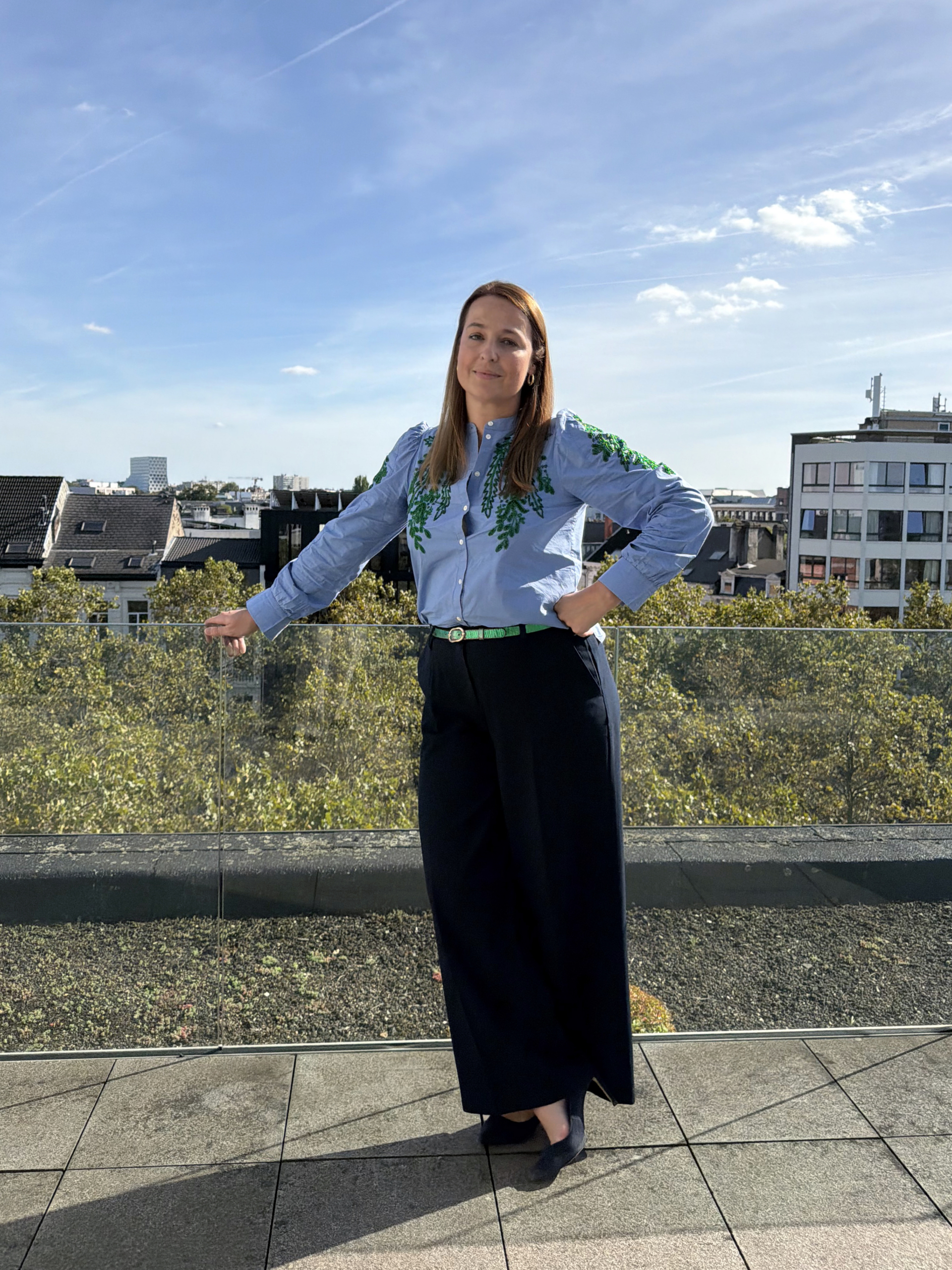
In a VC-backed company, the board is a mix of founders, investor representatives, independent members, and a chair. Building this board is a complex process, one in which HERAN seeks to be involved even before the investment is made. By talking with the founder, HERAN wants to understand how to work together and provide the right tips and tools to build a good board. 

Katleen: ‘We think it is important that a board is completed with independent members and a chair, who is independent by definition. What kind of chair you need depends on your company, the complexity of the syndicate and dynamics. Someone with only technical expertise is not enough. You need people who understand how a board works, who know what investors need, and who can hold it together when the discussions get sharp. These are not the easiest profiles to find.’

‘The chair plays a crucial role in mentoring the CEO, running the board and getting all noses pointing in the same direction. It is dangerous to appoint someone directly as chair if that person has no real experience in governance or investment. A founder, CEO and chair have different responsibilities and interests: I believe it’s not possible to combine them all in one person, especially with multiple investors.’

Jord: ‘Your ideal board is a combination of direction, experience and relevance. Those look different at every stage. You need a board that understands your product, and can help to accelerate. As a founder, you’re probably working hard on your presentations, but you usually don't talk to every board member before the meeting. While, actually, expectation management is essential here. Use the opportunity to call HERAN beforehand. When things go wrong, you want to take action sooner rather than later.’ 

Katleen: ‘We often step in as one of the first investors, which means we are closely involved. As the company evolves and more investors join, the board expands. The CEO has to manage more relationships, which creates a new dynamic. We have to adapt our role, too. But continuity is important. The director who was in the room when the first commercial hire was made is still in the room in the next stage.’

The board’s role in senior recruitment

Building a team that works for your company starts before the first candidate is met. Use the knowledge and experience in your board to know what you are looking for. Most VC-backed boards use a remuneration committee (RemCo) – usually two board members and the CEO – that runs the search together and brings the final candidate to the board for ratification.

Jord: ‘Before you start a senior search, align on these three questions: which business milestone is this person helping achieve? Which capabilities and behaviours does that require? Where are you willing to compromise? If founder and board answer these differently, even a strong shortlist will not lead to a good hire. The same thing goes for hiring people you already know: familiarity is not a hiring strategy. Always build in optionality.’

‘A strategic hire is about more than filling a vacancy. The right executive strengthens the company’s credibility with investors, accelerates progress toward the next milestone, and makes funding discussions more convincing. The talent roadmap should be connected to the business and funding roadmap – not created after the vacancy is opened.’

IMG 5690


Katleen: ‘Getting the profile for a new hire clear on paper is a first challenge in most boards and companies. Every member brings their own bias; they weigh things differently. But there is no five-legged sheep – the question is not whether you compromise, but where you will and where you will not. You want to run this process as objectively as possible, but by definition it is already full of subjectivity.’

“There is no five-legged sheep. The question is not whether you compromise, but where you choose to compromise and where you don’t.”

Katleen Vandersmissen
HERAN

Jord: ‘Sometimes you have informal conversations where a board member who was not involved earlier suddenly starts weighing in. That’s part of human dynamics. When Katleen and I work together, it’s up to us to manage and steer that. You need to make the options clear for everyone before you start.’

Create optionality

Reactive hiring is hiring when it’s too late. The answer is in creating optionality: having conversations with strong candidates long before a vacancy formally exists. When you need to move fast, the options are there. 

Jord: ‘Good founders proactively inform the board of the stage they are in and what profiles they need. Sometimes they have already spoken to candidates themselves. The advantage of a founder approaching a candidate directly is the peer-to-peer interaction. People feel honoured. You can also use these conversations to ask for input on your plans – ask the candidate to shoot them down. That gives you honest conversations and valuable knowledge about what you actually need in a profile.’

Do this exercise to clarify your needs

One of the best tools both Katleen and Jord recommend is deceptively simple: a writing exercise. 

Katleen: ‘We used this exercise with a portfolio company when their workload was becoming unmanageable. In our discussion about the new profile to hire, we thought a CEO needed to come in, and the founder needed to take on another role. So we asked to write down: what gives you energy, what do you always postpone, and what do you not enjoy doing? By honestly writing these things down, you start a thought process. It is no longer just our observation but also the founder’s own. The awareness grows.’

“By doing the energy writing exercise, you start a thought process. It is no longer just our observation; it becomes the observation of the founding team.”

Katleen Vandersmissen
HERAN
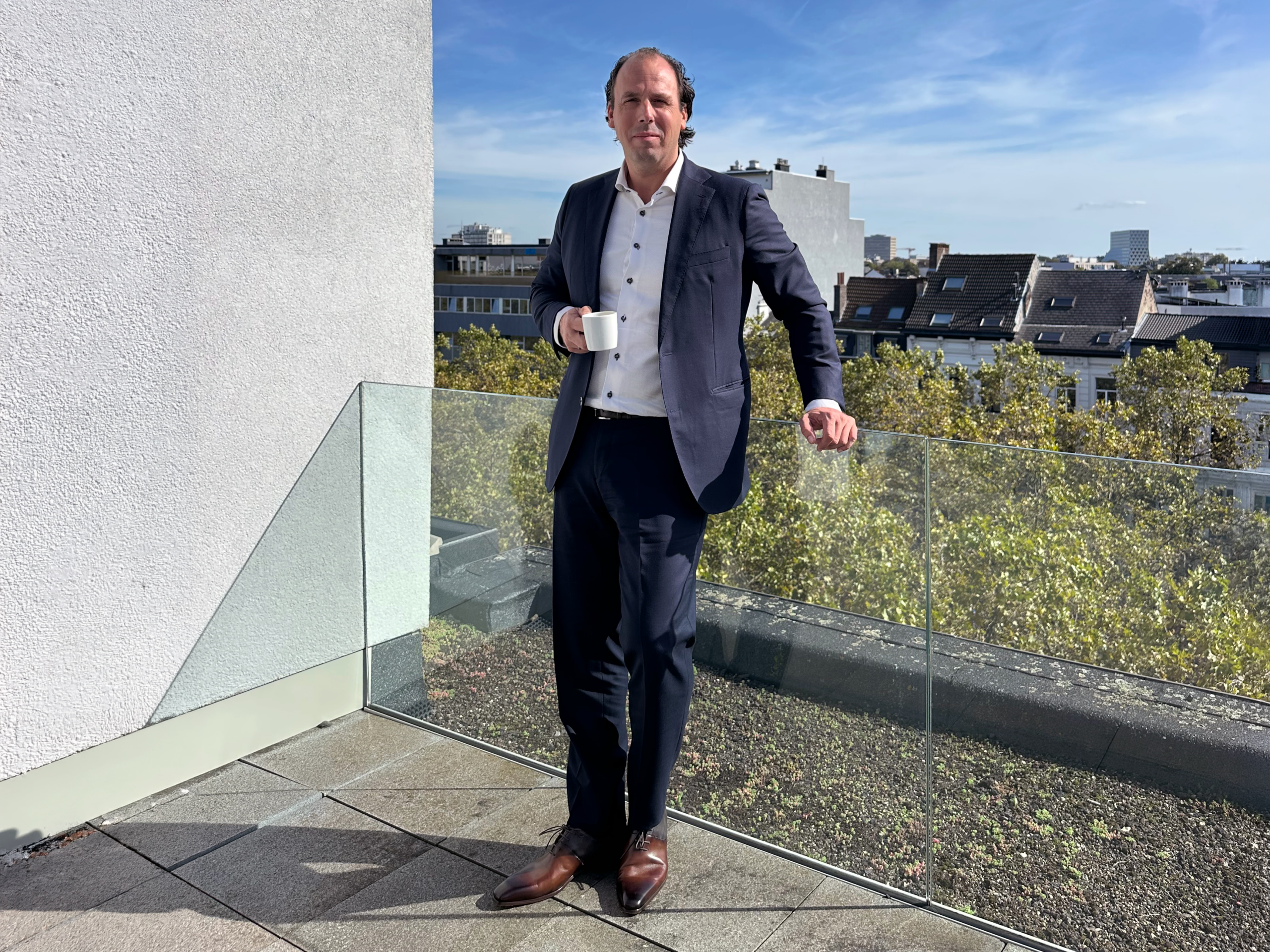
Jord: ‘This works excellently. The same applies to your company values. Many people create core values that sound appealing, but are too abstract to guide a hiring decision. I want you to make them operational. What does a value like ‘energy’ really mean for a technician's work? If you can make it concrete, it becomes easier to hire people. This is how you build a group of people with the right skills, linked to your values.’

IMG 3690


What the board expects changes with the stage

The profile that carried the company through previous stages is rarely the profile to carry it through the next. That applies as much to the CEO as it does to any other hire. At each new stage, the board has different expectations of the person it is working with. Why is it so important to recruit people that match the stage of your company? 

Jord: ‘Look at it through competences and leadership styles. A start-up profile means being hands-on, making quick decisions with limited information, and building. It doesn’t have to be perfect yet. As the company grows to thirty employees, other competencies are needed. The role of the CEO shifts from purely technical to more operational and managing different stakeholders. At two hundred employees, you no longer have that direct control. You have to manage through other people. That means being able to let things go.’

None of the disciplines Jord and Katleen describe – building relationships with candidates before a vacancy arises, understanding what gives or drains your energy, and anticipating the capabilities required at the next stage – fits into a single recruitment process or board meeting. It requires an ongoing dialogue between founder, investors and talent advisors. Each brings a different perspective to the same long-term challenge. Which means it also needs an investor relationship built for years, which is exactly what HERAN stands for. 

Stakeholder management

Stakeholder management is one of the most important capabilities of both the CEO and the chair. How do you keep all noses pointing in the same direction?

Katleen: ‘You have to assume there will always be friction because there are different parties with different interests and experiences. Once you’ve got investors, the company is no longer 100% yours: there are other voices to listen to. It’s about making compromises and understanding that in the end, you all want the same thing.’

“The technology alone does not carry the company. Trust does.”

Jord Teeuwen
QTC Recruitment

Jord: ‘Strong CEOs are good in relation and expectation management. They keep informal lines open, and think three steps ahead. They are already talking to investors about the next round while running the current one.’

‘Your board can help grow the business much faster. Understanding these dynamics can be hard for first-time founders, but it’s your adaptability that helps avoid discussions that could lead to mutual frustration. It takes time. It’s not the technology alone that’s carrying the company; it’s also trust.’

Key takeaways

Trust carries the company

Invest time in building trust with your board before the pressure hits. This will prevent discussions turning into friction. 

Avoid wearing multiple hats

The CEO, founder and chair have different responsibilities and interests. Combining these roles is not a good idea. Find the person for each role that fits the stage of your company best. 

Talk to candidates before you need them

Early peer-to-peer conversations are the cheapest strategic recruitment tool there is. The people you hire will make or break your business. They are among your highest costs, so treat them that way by being proactive rather than reactive.

Write down what gives you energy and what drains it

This exercise shows you what profile you actually need. Add a second one where you make your values operational, and you'll have a decent basis for your recruitment conversation. 

Explore the other articles in the Build to Scale series
Build to scale banner

Build to scale - Part 1: The team you build, builds the company

About the series – As a founder, you are the central point of your company’s journey. As your company grows, your role may change; you have a board to report to and new profiles are added to your team. How can you lead this journey and guide your company to growth? That’s a question Katleen Vandersmissen (Managing Partner at HERAN) and Jord Teeuwen (Managing Partner at QTC Recruitment) discuss in this series. Both know what it takes in terms of talent, but bring different views to the table: one brings the investor and director perspective, the other that of the executive search and talent advisory perspective. Different angles, same question: what separates the teams that scale successfully from those that stall?

Read on